A 9.9 MW plant and a 10.1 MW plant look almost identical from the road. Same equipment, same control room, often the same OEM. Inside the Mexican Código de Red 2.0, they live in completely different regulatory universes — different test lists, different telemetry obligations, different commissioning timelines, different reviewers at CENACE.
That gap exists because the regulation classifies generation by physical impact on the Sistema Eléctrico Nacional (SEN), not by what's printed on the nameplate. The classification framework is straightforward once you understand its logic; the surprises live in the boundary effects.
This post walks the four categories — Type A through Type D — explains how the thresholds are drawn under RES/550/2021, and lays out the practical consequences of being one type rather than another.
Why the regulation classifies at all
Every grid code has to answer the same question: how much should we ask of a small rooftop installation versus a 1 GW combined-cycle anchor plant? Apply the full requirement set to every interconnection and you've made distributed generation economically unbuildable. Apply the lighter set everywhere and you've degraded the reliability of the grid.
The Mexican framework solves this with four bands codified by installed capacity on the Sistema Interconectado Nacional (SIN). Type A: P < 0.5 MW. Type B: 0.5 MW ≤ P < 10 MW. Type C: 10 MW ≤ P < 30 MW. Type D: P ≥ 30 MW. The 9.9 / 10.1 MW pair sits across the B/C boundary; the 29 / 31 MW pair sits across the C/D boundary. Each crossing changes the obligation set materially.
Small distributed
P < 0.5 MW. Most dynamic tests waived. Telemetry lightly specified. Simplified requirements throughout.
Small / medium
0.5 ≤ P < 10 MW. Per-unit voltage and frequency control tests apply. Documentation expands meaningfully.
Medium scale
10 ≤ P < 30 MW. Full per-unit family. Per-plant POC tests required. AGC integration if in MEM.
Utility scale
P ≥ 30 MW. Every test family applies. Every telemetry channel required. The full 29-requirement Oficio.
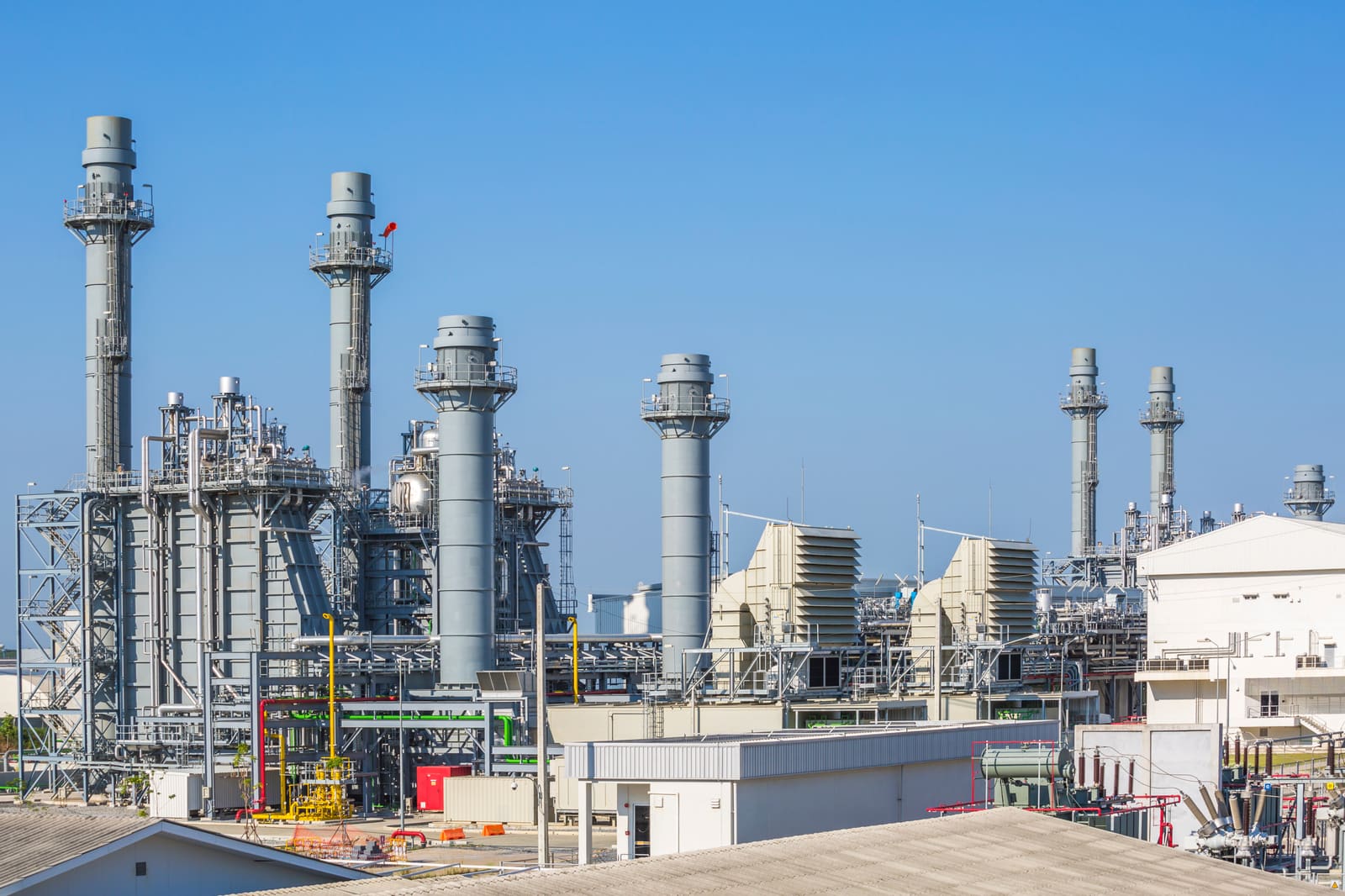
A 1 MW Jenbacher landfill plant in Cadereyta sits in one band. The 980 MW combined-cycle Salamanca sits in another. The 120 MW Pichilingue LM6000 installation sits between them. The same regulator, the same Código de Red — but three different rulebooks.
What the letter actually changes
The classification is not cosmetic. Five things move when the letter changes.
First, the test list.
A Type D plant under Pathway A (new generation) runs the full 45-plus individual tests across the four families — per-unit voltage control, per-unit speed control, per-plant POC tests, and pre-operational/operational/performance evaluations. A Type B plant runs a subset. The subset is not "the same tests but fewer" — entire test categories drop out depending on the plant's classification and the technology connected.
Second, the telemetry obligation.
The Manual de TIC for the SEN and MEM specifies different channels by plant type. A Type D plant must deliver real-time PMU streams, AGC integration, disturbance recorders configured to CENACE specification, and protocol-simulated channels to the Gerencia de Control Regional (GCR). A Type B plant has lighter obligations.
Third, the documentation depth.
Anexos III and IV — the interconnection annexes — scale in depth with plant type. A Type D Anexo III often runs to several hundred pages of P&IDs, single-line diagrams, settings tables and dynamic data. A Type B Anexo III is meaningfully shorter, though "shorter" still means weeks of engineering authoring.
Fourth, the review path inside CENACE.
Larger plants get more scrutiny. A Type D dossier is reviewed by multiple technical groups across multiple Gerencias de Control Regional. Type B plants are typically routed through a more streamlined evaluation. The number of iterative review cycles — the back-and-forth via Oficios — tends to be higher for Type D.
Fifth, the testing-window calendar.
The 15-day continuous operation observation and the 10-day power quality measurement window — those are Type D obligations. A smaller plant can complete its operational evidence in less calendar time, which compresses the path to Commercial Operation Declaration (COD).
The boundary cases — where it gets expensive
The hardest engagements are the ones that sit close to a classification threshold. Three patterns recur.
A 28 MW project becomes 32 MW.
Scoped against the Type C test list, designed against Type C telemetry, priced against Type C. Mid-construction, capacity expands to 32 MW. Suddenly the scope is Type D — more tests, more telemetry, additional manuals to comply with. The EPC contract was priced against the original classification. Someone absorbs the delta.
A 4 MW plant connecting at high voltage.
The MW band suggests a lighter scope. But the interconnection happens at high voltage to the transmission system (because of substation availability). The plant inherits the higher classification's voltage-level obligations even though its capacity would suggest otherwise. The voltage rule wins.
Gas turbine + BESS at the same POC.
A 100 MW gas turbine plus a 50 MW BESS in the same point of interconnection is classified on combined behavior at the POC, not on the gas-turbine band alone. The BESS pulls the test scope into territory that the original gas project never anticipated. This pattern is becoming common with PV+BESS additions to existing thermal plants.
Catching these cases early is the difference between a clean commissioning and an expensive scope renegotiation midway through field testing.
Reading the classification correctly
Determine type at the development stage, not at commissioning. The classification governs what's in your interconnection study, what CENACE reviewers expect to see, and what your EPC contract must cover. Walking onto a site at COD-minus-30-days and discovering you've been preparing for the wrong type is the most common preventable failure on this side of the regulation.
If your project sits within 15% of a threshold, scope for the heavier classification. The cost delta on a 30 MW plant between Type C and Type D is real but not catastrophic at the engineering and testing line items. The cost of discovering you needed Type D evidence after COD slips is much worse.
Don't assume technology equivalence. Two 50 MW plants with different prime movers can carry meaningfully different test schedules at the same classification. The plant type tells you which categories of evidence apply; the technology tells you what's actually being measured inside each category.
The classification can move. A plant that derates over its operating life can move from Type C to Type B in regulator treatment. The same plant adding storage can move the other direction. These shifts are documented in updates to Anexos III and IV.
What this means for the engagement
For a plant owner reading this in advance of a new build, the practical takeaway is that the letter assigned to your project at the interconnection-study stage is the single most consequential variable in your commissioning budget and timeline. More consequential than OEM choice. More consequential than EPC selection.
For the engineering team executing field tests, the classification is the document that organizes every other document: the test procedures derive from it, the telemetry checklist derives from it, the calendar derives from it, the team composition derives from it.
For the regulator, the letter is the lens through which everything you submit will be read.
Pay attention to the letter early. The boundary effects are where commissioning schedules quietly fail.
The MW thresholds — Type A < 0.5 MW, Type B 0.5–10 MW, Type C 10–30 MW, Type D ≥ 30 MW — are codified in the Manual de Interconexión for the Sistema Interconectado Nacional (SIN) row under RES/550/2021 (Código de Red 2.0). Plants connecting to the smaller Baja California and Baja California Sur isolated systems are subject to separate threshold rows in the same table. Voltage-level cutoffs that override capacity-based classification and the current article references where these thresholds are codified should also be verified against the published Manual.